Cataract Surgery: What to Expect, How It Works, and How Modern Lenses Improve Vision
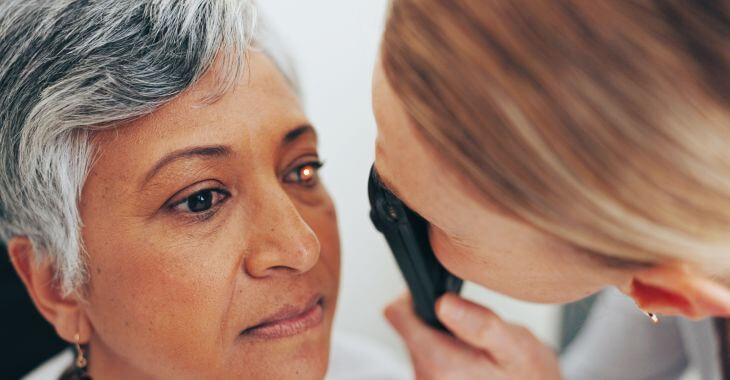
Cataract surgery is one of the safest and most successful procedures in modern medicine. Each year, more than 3.7 million Americans undergo surgery to restore clear vision. Advances in imaging, laser technology, and lens design now offer patients better outcomes than ever before.
Understanding Cataracts and Their Impact on Vision
A cataract forms when the natural lens of the eye becomes cloudy. Aging is the most common cause, but factors like diabetes, UV exposure, or past injury can also increase the risk of forming a cataract.
Symptoms of a cataract begin gradually. Patients notice glare, fading colors, halos, or trouble reading. Over time, the clouding intensifies. Cataracts affect over 24 million adults in the U.S., and nearly everyone develops them later in life.
Cataracts cannot be reversed with medication. Surgery is the only treatment for this eye condition. Removing the clouded lens and replacing it with a clear artificial one restores sharp, bright vision.
How Cataract Surgery Works
Cataract surgery is typically an outpatient procedure. Most patients remain awake with mild sedation. A tiny incision is made, and ultrasound technology breaks up the cloudy lens. The surgeon removes the fragments through the same small opening.
Once the old lens is removed, a new intraocular lens (IOL) is then inserted. This lens remains permanently in place, restoring clarity and focus. The incision usually seals on its own without stitches. Most patients return to light activities the next day. Vision improves rapidly in the first several hours.
The Importance of IOL Type Selection
During planning, a key part of cataract surgery is IOL type selection. The artificial lens determines how well patients see at different distances after surgery.
Common options include:
- Monofocal IOLs: Clear vision at one distance
- Multifocal IOLs: Multiple focusing zones
- Extended-depth-of-focus IOLs: Wider range of clarity
- Toric IOLs: Correct astigmatism
Choosing the right lens depends on lifestyle, work demands, and vision goals. Precise measurements ensure the best fit and support long-term patient satisfaction.
Targeting Astigmatism During Surgery
Many cataract patients also have astigmatism. Modern surgical techniques enable surgeons to correct this issue simultaneously for better vision beyond only removing the cataract.
Using toric IOLs or precise laser incisions, surgeons improve astigmatism correction accuracy. This helps reduce dependency on glasses after surgery. Clinical studies show that toric lenses reduce postoperative astigmatism in over 90% of patients. These options create a smoother, sharper visual experience.
Why Technology Matters in Cataract Surgery
Today’s cataract surgeons use detailed imaging to map the eye. High-resolution scans help calculate lens power and optimize alignment for improved outcomes.
Laser-assisted cataract surgery enhances accuracy. It creates more precise cuts, softens the cataract for easier removal, and supports better IOL positioning. These technical benefits improve predictability.
Patients who undergo laser-assisted cataract surgery often experience smoother healing and clearer early vision compared with traditional techniques.

Why Do I Have Sudden Black Spots in Vision, Not Floaters?
Experiencing sudden black spots in your vision can be alarming, especially when they’re not the usual floaters that drift across your field of view. If you no...Read More
Recovery and What to Expect After Surgery
Recovery from cataract surgery is quick for most patients. Mild itching, dryness, or sensitivity to light is normal during the first several hours.
Patients should avoid bending, heavy lifting, or rubbing the eye as directed by the surgeon. Protective shields help prevent accidental bumps while sleeping. Prescribed eye drops support healing and reduce inflammation. Vision continues to sharpen over the next several weeks as the eye stabilizes.
Results and Long-Term Success
Cataract surgery has an extremely high success rate. More than 95% of patients report better vision after the procedure. Some benefits include:
- Colors appear brighter
- Night driving becomes easier
- Reading and computer work feel smoother
- The improvement often feels dramatic
IOLs do not decay or require routine replacement. Once placed, they remain stable for life. Many patients enjoy decades of clear sight after the procedure.
Benefits Beyond Clearer Vision
Cataract surgery has broader health advantages. Studies show it reduces the risk of falls and improves independence. Better eyesight also enhances driving and overall safety. Improved contrast sensitivity helps patients navigate stairs, uneven sidewalks, and dim areas.
For many, the emotional benefits are equally meaningful. Clear vision restores confidence and reconnects patients with hobbies they love. Those who have needed corrective lenses most of their lives often no longer need glasses or contacts.
Who Is a Candidate for Surgery?
Anyone with symptomatic cataracts may qualify. When glare, blur, or distortion interferes with daily tasks, surgery becomes appropriate. Younger patients with congenital or injury-related cataracts may also benefit. Early evaluation ensures timely treatment and smoother recovery.
Diabetes, dry eye, and previous eye surgery may affect planning. Surgeons can customize treatment to match each patient’s medical profile.
A Clearer Future with Cataract Surgery
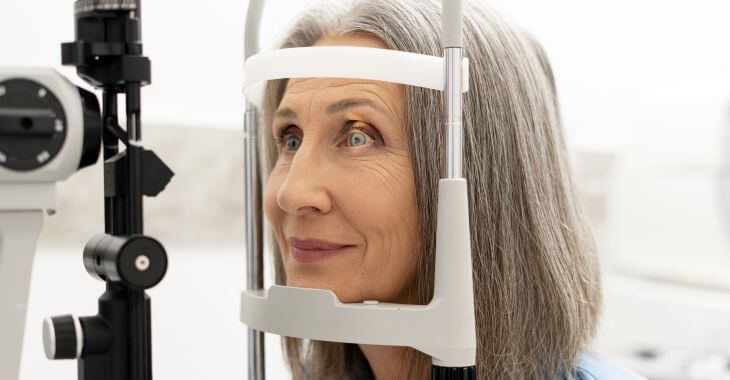
Cataract surgery combines advanced technology with personalized care. Thoughtful IOL type selection, precise imaging, and improved astigmatism correction accuracy create excellent outcomes.
If cataracts are clouding your vision, today’s techniques offer a safe, predictable way to regain clarity. Clearer sight improves everyday life and enhances long-term well-being. Contact a cataract surgeon to schedule a consultation to see if you are a good candidate for cataract surgery.
The information provided on this website, including text, graphics, images, and other materials, is intended solely for informational purposes and should not be used as a substitute for professional medical advice, diagnosis, or treatment.


)