Numbness in Hands: What It Means and When to Take It Seriously

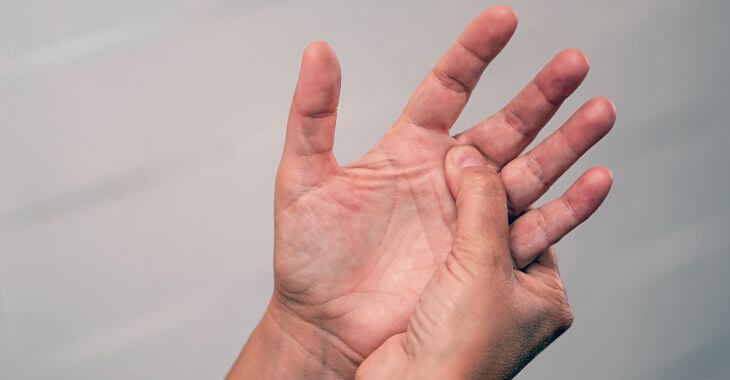
Numbness in hands is a common complaint, but it should not be ignored. Whether it comes and goes or lingers, that tingling or “pins and needles” feeling can signal something deeper. Understanding the cause early can help prevent long-term nerve damage and ongoing functional issues.
Many people experience occasional hand numbness symptoms, especially after sleeping in an awkward position. But when hand numbness becomes frequent or disruptive, it may point to an underlying condition that needs attention. Early awareness is key to protecting nerve health.
What Causes Numbness in Hands?
Numbness in the hands typically occurs when nerves are compressed, irritated, or damaged. This can happen anywhere along the nerve pathway, from the neck down to the fingers. Identifying the source is the first step toward effective treatment.
Some of the most common causes include:
- Carpal tunnel syndrome
- Pinched nerves in the neck or shoulder
- Diabetes-related nerve damage
- Repetitive strain injuries
- Poor circulation
According to the National Institute of Neurological Disorders and Stroke, peripheral neuropathy affects more than 20 million people in the United States. Many cases begin with mild symptoms like tingling or numbness in the hands.
Why Nighttime Symptoms Matter
Nighttime hand tingling is one of the earliest and most noticeable warning signs. Many people wake up with numb or “asleep” hands, often needing to shake them out to regain feeling. This pattern is especially common with nerve compression issues.
Carpal tunnel syndrome, for example, often causes symptoms to worsen at night due to wrist positioning during sleep. Over time, these episodes may become more frequent and last longer if left untreated.
If nighttime hand tingling is disrupting your sleep or becoming routine, it may be a sign that your nerves are under stress. Addressing it early can prevent more serious complications.
Recognizing Early Neuropathy Signs
Early neuropathy signs are often subtle and easy to overlook. What starts as occasional tingling can gradually progress to persistent numbness, weakness, or reduced hand or finger coordination.
Common early signs include:
- Tingling or burning sensations
- Increased sensitivity to touch
- Muscle weakness in the hands
- Difficulty gripping objects
- Loss of fine motor skills
The Centers for Disease Control and Prevention reports that about 50% of people with diabetes develop some form of neuropathy. Catching these symptoms early can make a significant difference in managing the condition.

Effective Ways to Relieve Wrist Pain from Typing
Wrist pain from typing is a common issue faced by individuals who spend extended hours working on computers. The repetitive motion of typing can lead to discomf...Read More
When to Seek Medical Evaluation
Not all numbness requires immediate concern, but certain patterns should prompt evaluation. If symptoms are frequent, worsening, or affecting daily activities, it is time to seek professional care.
You should consider medical attention if:
- Numbness persists for several days
- Symptoms affect both hands consistently
- You experience weakness or loss of coordination
- Pain accompanies the numbness
- Symptoms interfere with sleep or work
Early diagnosis can help prevent permanent nerve damage and improve outcomes.
How Nerve Conduction Testing Helps
Nerve conduction testing is a key diagnostic tool used to evaluate how well your nerves are functioning. It measures the speed and strength of electrical signals traveling through your nerves.
This test can help identify the location and severity of nerve damage. It is commonly used to diagnose conditions like carpal tunnel syndrome, peripheral neuropathy, and nerve injuries.
The procedure is minimally invasive and provides valuable information that guides treatment decisions. In many cases, it helps confirm whether symptoms are due to nerve compression or a more systemic issue.
Treatment and Management Options
Treatment for numbness in the hands depends on the underlying cause. In mild cases, simple lifestyle changes can make a big difference. In more advanced cases, medical intervention may be necessary.
Common treatment approaches include:
- Wrist splints or ergonomic adjustments
- Physical therapy and stretching exercises
- Medications to reduce inflammation or nerve pain
- Managing underlying conditions like diabetes
- In some cases, surgical intervention
Early treatment often leads to better outcomes and can prevent symptoms from progressing.
Protecting Your Nerve Health
Preventing hand numbness starts with awareness and proactive care. Small changes in daily habits can reduce strain on your nerves and improve overall function.
Helpful tips include:
- Maintain proper posture while working
- Take frequent breaks from repetitive hand and wrist tasks
- Keep wrists in a neutral position
- Manage chronic conditions effectively
- Stay physically active to support circulation
These steps can help reduce the risk of developing chronic nerve issues that can result in affecting hand function.
Don’t Ignore the Signs
Numbness in hands may seem minor at first, but it can be an early warning sign of a more serious condition. Paying attention to symptoms such as nighttime hand tingling and other early signs of neuropathy can help you take action before the problem worsens.
With proper evaluation, including tools like nerve conduction testing, you can get clear answers and the right treatment plan. Addressing symptoms early not only relieves discomfort but also protects your long-term nerve health.
The information provided on this website, including text, graphics, images, and other materials, is intended solely for informational purposes and should not be used as a substitute for professional medical advice, diagnosis, or treatment.



)