Knee Replacement: What to Expect, How It Works, and What Helps Recovery
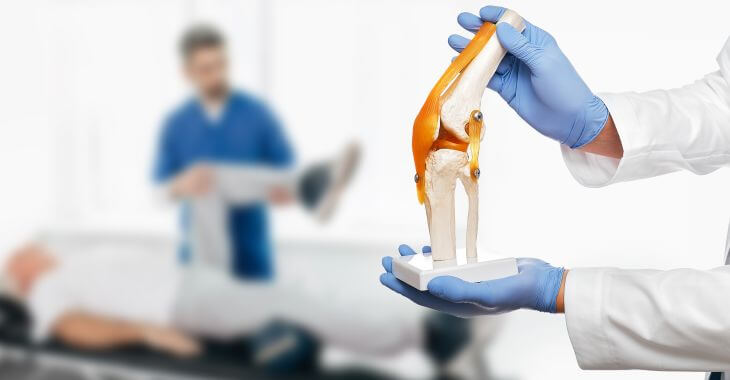
Knee replacement is one of the most reliable orthopedic procedures for easing chronic pain and restoring mobility. Each year, more than 800,000 Americans undergo knee replacement, and success rates continue to rise as surgical techniques improve.
Why People Choose Knee Replacement
When arthritis or injury wears down cartilage, the knee becomes painful and stiff. Daily tasks like walking or climbing stairs become difficult. Knee replacement replaces damaged surfaces with smooth implants designed to eliminate grinding and restore function.
Osteoarthritis is the most common reason for surgery. It affects nearly 32 million adults in the U.S. and often progresses despite medication, injections, or physical therapy. When nonsurgical care stops helping, knee replacement becomes a strong option.
How Knee Replacement Surgery Works
During surgery, the surgeon removes damaged cartilage and reshapes bone surfaces. Implants made of metal and high-grade plastic create a new joint surface. These components are built to glide smoothly and support years of daily activity.
The procedure usually takes one to two hours. Most patients begin standing or walking with assistance the same day of their surgery. Early mobility helps improve circulation, reduce swelling, and support muscle recovery throughout the healing process.
Cemented vs Cementless Fixation
Two methods are used to attach knee implants to the bone: cemented vs cementless fixation. Cemented implants use surgical cement for immediate stability. Cementless implants rely on bone growth into a porous surface for long-term anchoring. Your surgeon will select the most appropriate method.
Cemented fixation is the most common choice, especially for patients with weaker bone quality. Cementless fixation may suit younger or more active patients whose bones can grow into the implant surface for a strong biological bond.
Benefits of Knee Replacement
Patients often experience dramatic improvements in comfort and mobility after knee replacement surgery. Common benefits include:
- Major reduction in daily pain
- Improved ability to walk and exercise
- Better sleep quality
- Increased independence
The long-term durability of implants is very promising. Recent studies show 90–95% of knee replacements still function well 15 years after surgery. Many last well beyond 20 years, allowing patients to stay active with confidence at an advanced age.
Knee Replacement: What to Expect, How It Works, and What Helps Recovery
Knee replacement is one of the most reliable orthopedic procedures for easing chronic pain and restoring mobility. Each year, more than 800,000 Americans underg...Read More
Understanding Post-Op Recovery
Recovery from knee replacement surgery requires regular movement and guided therapy. Most patients use a walker or crutches during the first few weeks and then transition to a cane. Strength and flexibility improve week by week as swelling decreases and muscles re-engage.
Physical therapy is essential after knee replacement surgery. Targeted exercises help restore the range of motion and rebuild strength around the knee joint. Consistency in therapy sessions significantly improves long-term results and overall comfort for the patient.
Managing Post-Op Stiffness
Some patients may experience stiffness in the joint as healing begins. Common post-op stiffness triggers include limited early movement, swelling, scar formation, or muscle guarding. Addressing these factors early helps prevent stiffness and long-term restriction.
Stiffness after knee replacement is often managed with stretching, heat therapy, guided strengthening, and mobility exercises. Most patients see steady improvement of post-op stiffness when they remain active and follow their rehabilitation plan closely.
Protecting Your New Knee
Maintaining healthy joint function requires consistent habits. Your surgeon may recommend low-impact activities that support mobility without stressing the implant, helping to prolong its lifespan and comfort.
Preferred activities include walking, swimming, cycling, and controlled strength training. These exercises keep muscles strong while being gentle on the replaced joint, promoting long-term durability and ease of motion.
High-impact activities like running or jumping are not recommended. Avoiding undue stress will protect the implant surface and preserve the long-term function, reducing the chance of early wear or mechanical loosening.
Risks and Considerations
As with any surgery, knee replacement carries risks. Potential issues include infection, blood clots, stiffness, and implant loosening. These complications are uncommon, and hospitals use structured protocols to reduce them.
Your surgeon will review your medical history to minimize risks. Managing conditions like diabetes or vascular disease before surgery can improve outcomes. Clear communication helps ensure recovery progresses smoothly and safely.
Who Is a Good Candidate for Surgery?
Ideal candidates have knee pain that limits daily activities, persistent stiffness, and confirmed cartilage loss by imaging. When conservative treatment options fail, knee replacement surgery often becomes the next effective step.
Age alone is not a barrier. Patients in their 50s, 60s, 70s, and beyond can all benefit. The key considerations are bone quality, lifestyle demands, and overall health. Your surgeon will help to determine your best timing.
A New Chance at Mobility
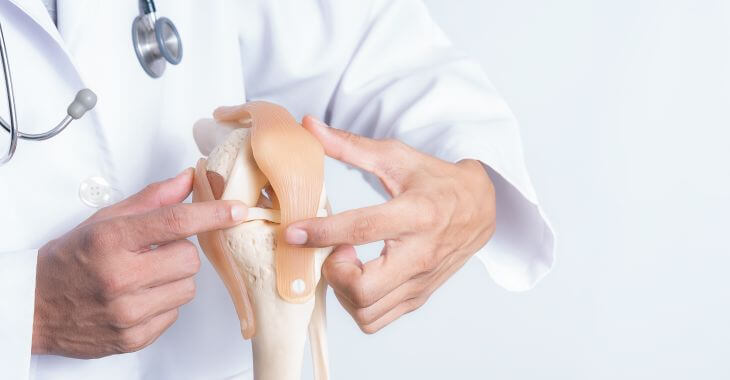
Knee replacement restores independence, reduces pain, and helps people return to daily routines they once avoided. With modern techniques and improved implant durability, patients can expect strong, lasting results.
If you are living with chronic knee pain, discussing your options may help you take the next step toward long-term relief and renewed mobility.
The information provided on this website, including text, graphics, images, and other materials, is intended solely for informational purposes and should not be used as a substitute for professional medical advice, diagnosis, or treatment.


)