Pelvic Pain Uncovered: What Your Body May Be Trying to Tell You

Pelvic pain is a common yet often misunderstood condition that can affect both women and men. It may come on suddenly or develop over time, ranging from mild discomfort to severe, life-disrupting pain that interferes with daily routines.
Chronic pelvic pain is especially widespread. Studies estimate that it affects up to 15–20% of women globally, and many cases remain undiagnosed for years. This delay often happens because symptoms can overlap with multiple conditions and vary from person to person.
What Is Pelvic Pain?
Pelvic pain refers to discomfort located in the lower abdomen or pelvic region, typically below the belly button. It can be acute, lasting a short period, or chronic, persisting for six months or longer and requiring ongoing management.
The sensation can differ widely. Some people experience sharp or stabbing pain, while others describe it as a dull ache, cramping, or pressure. Because so many organs are located in the pelvis, identifying the exact cause is not always straightforward.
Common Causes of Pelvic Pain
Pelvic pain can originate from several systems in the body, including reproductive, urinary, digestive, and musculoskeletal structures. This wide range of possibilities is one reason why diagnosis can sometimes take time.
Common causes include:
- Hernias
- Endometriosis and uterine fibroids
- Urinary tract infections or bladder disorders
- Irritable bowel syndrome (IBS)
- Pelvic floor muscle dysfunction
- Nerve-related or musculoskeletal conditions
In some cases, multiple factors contribute to the pain. Research suggests that up to 30% of chronic pelvic pain cases may involve more than one underlying condition, requiring a comprehensive treatment approach.
Understanding Cyclic Pain Patterns
Recognizing cyclic pain patterns is an important step in understanding pelvic pain. These patterns often relate to hormonal changes and can provide valuable clues about the underlying cause.
For example, pain that intensifies before or during menstruation may be linked to conditions such as endometriosis. Similarly, ovulation-related discomfort may occur mid-cycle in some individuals.
Tracking symptoms over time can help identify patterns and assist healthcare providers in making a more accurate diagnosis. Cyclic pain patterns are especially relevant for individuals of reproductive age and should not be overlooked.
When to Seek Medical Attention
Pelvic pain should not be ignored, especially if it is persistent or worsening. While occasional discomfort may be harmless, certain symptoms indicate the need for medical evaluation.
You should seek care if you experience:
- Pain lasting several weeks or longer
- Sudden or severe pelvic pain
- Pain accompanied by fever, nausea, or vomiting
- Changes in bowel or bladder habits
- Pain during intercourse
Early evaluation can help identify the cause and prevent complications. Addressing pelvic pain sooner often leads to better outcomes and more effective treatment options.

Why Do I Have Pelvic Pain When Coughing?
Experiencing pelvic pain when coughing can be alarming and uncomfortable. Though coughing is a natural reflex, it can sometimes cause unexpected pain in certain...Read More
The Role of Diagnostic Imaging
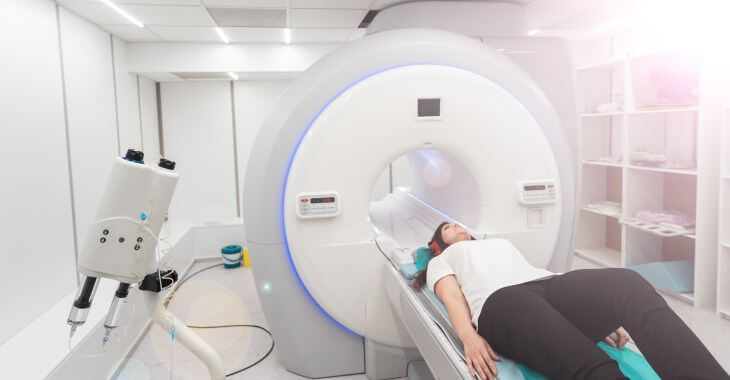
Because pelvic pain can have many possible causes, diagnostic imaging plays a critical role in evaluation. These tools allow healthcare providers to see internal structures and detect abnormalities that may not be visible during a physical exam.
Common diagnostic imaging methods include:
- Ultrasound to assess reproductive organs
- CT scans for broader abdominal and pelvic evaluation
- MRI for detailed imaging of soft tissues
These techniques can help identify cysts, tumors, inflammation, or structural issues. In many cases, diagnostic imaging provides the clarity needed to move forward with appropriate treatment.
Treatment Options and Care Pathways
Treatment for pelvic pain depends on identifying the underlying cause. In many situations, a combination of therapies is used to address both symptoms and contributing factors.
Care pathways may include:
- Medications to reduce pain and inflammation
- Hormonal therapies for reproductive conditions
- Physical therapy to address pelvic floor dysfunction
- Dietary and lifestyle adjustments
- Minimally invasive or surgical procedures when necessary
Research shows that patients who follow structured pelvic pain care pathways often experience better symptom management. A multidisciplinary approach that includes medical, physical, and emotional support can be especially effective.
The Emotional and Lifestyle Impact
Pelvic pain does not just affect physical health. It can have a significant impact on emotional well-being, relationships, and daily life. Many individuals report difficulty working, exercising, or maintaining social activities due to ongoing discomfort.
Studies indicate that people with chronic pelvic pain are more likely to experience anxiety and depression. This highlights the importance of addressing both the physical and psychological aspects of care.
Support systems, including healthcare providers, mental health professionals, and family members, play an important role in helping individuals cope with long-term symptoms.
Moving Toward Relief and Better Understanding
Although pelvic pain can be complex, it is also manageable with the right approach. Understanding symptoms, identifying cyclic pain patterns, and using diagnostic imaging tools are key steps in finding answers.

With personalized care pathways, many individuals are able to reduce symptoms and improve their quality of life. Advances in medical care continue to provide new options for diagnosis and treatment.
Taking action early and working with experienced healthcare providers can make a meaningful difference. If you are experiencing pelvic pain, seeking evaluation is the first step toward relief and a better understanding of your health.
The information provided on this website, including text, graphics, images, and other materials, is intended solely for informational purposes and should not be used as a substitute for professional medical advice, diagnosis, or treatment.

)