ACL Reconstruction: What to Expect Before, During, and After Surgery
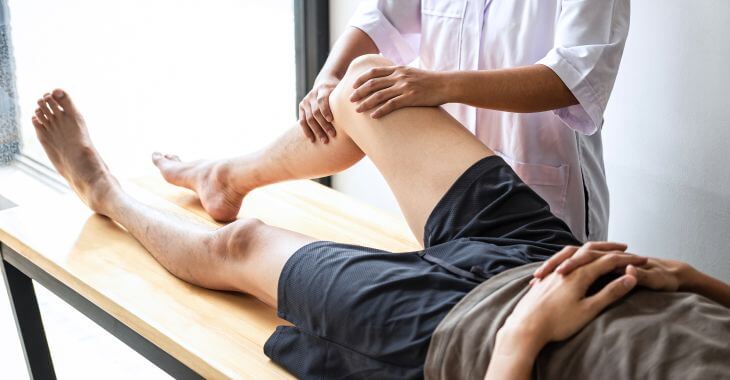
An ACL tear is one of the most common and disruptive knee injuries, especially among athletes and active adults. The anterior cruciate ligament stabilizes the knee during cutting, pivoting, and sudden stops. When it ruptures, many people experience instability that limits daily activity and sports.
ACL reconstruction is a surgical procedure designed to restore knee stability by replacing the torn ligament with a graft. Each year, more than 200,000 ACL reconstructions are performed in the United States, making it one of the most common orthopedic surgeries.
Understanding ACL Injuries
ACL injuries often occur during non-contact movements such as landing from a jump, changing direction, or decelerating quickly. Sports like soccer, basketball, football, and skiing have higher injury rates. Women are estimated to have a 2–8 times higher risk of ACL tears than men in similar sports.
Common symptoms include knee swelling, a popping sensation at injury, pain, and a feeling that the knee may “give way.” While some people can cope without surgery, many active patients choose reconstruction for long-term stability.
When ACL Reconstruction Is Recommended
Not every ACL tear requires surgery, but reconstruction is often recommended for patients who want to return to pivoting sports or demanding physical work. Chronic instability can increase the risk of meniscus tears and early osteoarthritis over time.
Surgery may be advised if:
- The knee frequently gives out
- You want to return to sports involving cutting or pivoting
- There is associated meniscus or cartilage damage
- Physical therapy alone does not restore confidence or function
How ACL Reconstruction Works
ACL reconstruction does not involve stitching the torn ligament back together. Instead, the damaged ACL is removed and replaced with a tendon graft. This graft acts as a scaffold, allowing new ligament tissue to grow over time.
The procedure is typically performed arthroscopically using small incisions. Most surgeries last 60–90 minutes, and many patients go home the same day.
Graft Choices: Hamstring vs Patellar Graft
One of the most discussed decisions in ACL reconstruction is graft selection. The debate around hamstring vs patellar graft focuses on healing, strength, and side effects. Both options are widely used and supported by long-term data.
Patellar tendon grafts use the central portion of the patellar tendon with bone plugs. Hamstring grafts use tendons from the back of the thigh. Each has advantages depending on patient goals and anatomy.
Patellar tendon graft considerations:
- Strong fixation with bone-to-bone healing
- Slightly lower re-tear rates in some studies
- Higher risk of anterior knee pain or kneeling discomfort
Hamstring graft considerations:
- Less anterior knee pain for many patients
- Smaller incision and less donor site discomfort
- Slightly slower initial fixation strength
Your surgeon’s experience and your activity level often matter more than graft choice alone.
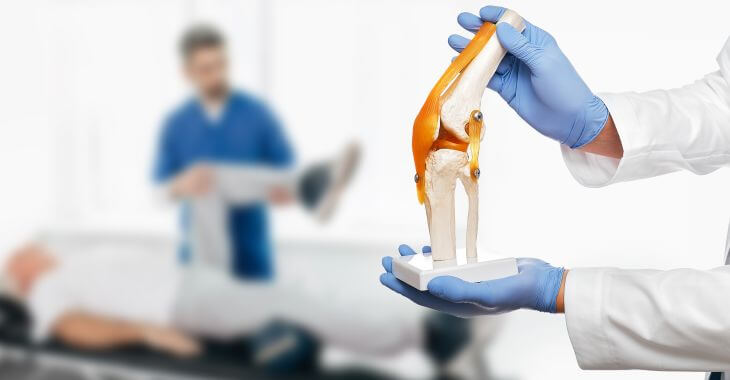
Knee Replacement: What to Expect, How It Works, and What Helps Recovery
Knee replacement is one of the most reliable orthopedic procedures for easing chronic pain and restoring mobility. Each year, more than 800,000 Americans underg...Read More
Immediate Post-Surgery Recovery
Recovery begins immediately after surgery. Swelling and stiffness are common during the first week, and crutches are typically required for a short period. Early motion is encouraged to prevent stiffness and muscle loss.
Physical therapy typically starts within days and focuses on:
- Reducing swelling
- Restoring knee extension
- Activating the quadriceps
- Protecting the graft
Studies show that early, guided rehabilitation improves long-term outcomes and reduces complications.
Rehabilitation and Strength Building
Rehabilitation is the most important factor in a successful ACL reconstruction. The process is gradual and structured, often lasting 9–12 months. Rushing recovery increases the risk of graft failure and re-injury.
Rehab progresses through phases that include:
- Range-of-motion and swelling control
- Strengthening of quadriceps and hamstrings
- Balance and neuromuscular training
- Sport-specific drills
Patients who adhere closely to rehab protocols have significantly better functional outcomes.
Return to Sport Timeline
The return to sport timeline after ACL reconstruction varies by individual, sport, and graft type. While some athletes feel ready early, research shows that returning too soon increases re-injury risk.
General benchmarks often include:
- Light jogging around 3–4 months
- Advanced agility training at 5–6 months
- Non-contact sports practice at 6–9 months
- Full return to competitive sports at 9–12 months
Athletes who return before 9 months have been shown to have a higher rate of second ACL injury, especially in younger patients.
Risks and Long-Term Outcomes
ACL reconstruction is considered safe and effective, but no surgery is without risk. Potential complications include infection, stiffness, graft failure, and blood clots. Overall complication rates are low, typically under 5%.
Long-term studies show that most patients regain knee stability and return to activity. However, up to 50% of patients may show signs of knee arthritis 10–15 years after injury, regardless of surgery, highlighting the importance of injury prevention and proper rehab.
Life After ACL Reconstruction
Many patients return to sports stronger and more confident than before their injury. Success depends on realistic expectations, consistent rehabilitation, and ongoing strength training even after formal therapy ends.
Maintaining hip and core strength, practicing good landing mechanics, and avoiding fatigue-related mistakes can reduce the risk of future knee injuries. ACL reconstruction is not just a procedure, but a long-term commitment to knee health.
Final Thoughts on ACL Reconstruction
ACL reconstruction has evolved significantly, with improved surgical techniques, better graft options, and evidence-based rehabilitation protocols. With proper planning and patience, most patients achieve excellent outcomes and return to the activities they enjoy.

Understanding graft options like hamstring vs patellar graft and respecting the return to sport timeline can make a meaningful difference in both short- and long-term results.
The information provided on this website, including text, graphics, images, and other materials, is intended solely for informational purposes and should not be used as a substitute for professional medical advice, diagnosis, or treatment.


)