Spot It Early: Why Skin Cancer Screening Matters for Lifelong Skin Health

Skin cancer is the most common type of cancer in the United States, affecting millions of people each year. While it can develop slowly and without pain, early detection dramatically improves treatment outcomes. Regular skin cancer screening helps identify concerns before they become more serious.
According to the American Cancer Society, more than 5 million cases of skin cancer are diagnosed in the U.S. every year. Many of these cases are highly treatable when discovered early. Routine screenings are one of the most effective ways to protect long-term skin health.
What Is a Skin Cancer Screening?
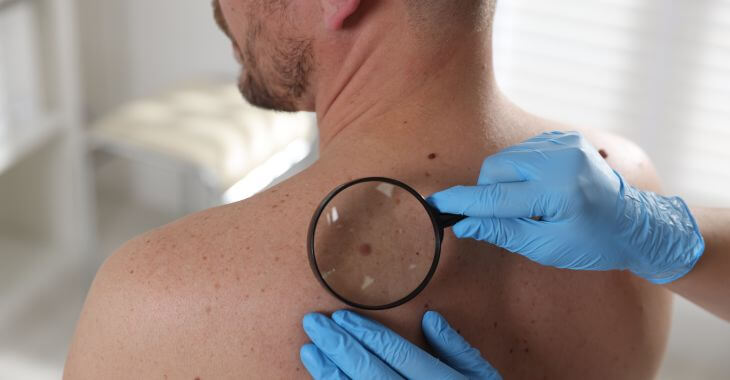
A skin cancer screening is a professional examination of the skin performed by a healthcare provider trained to detect abnormal growths or lesions. During the exam, the provider carefully evaluates the skin from head to toe to identify potential warning signs.
These screenings are typically quick and noninvasive. In many cases, they take less than 20 minutes but can provide valuable information about your skin health and potential risks.
The goal of screening is to identify areas that may require further evaluation before they become serious. Many skin cancers can be successfully treated when found early.
Why Early Detection Is So Important
Skin cancer often develops gradually, sometimes appearing as small spots or lesions that change over time. Because these changes may seem minor at first, they can easily go unnoticed without routine monitoring.
Medical studies show that early detection significantly improves survival rates, particularly for melanoma. When melanoma is detected early and treated before it spreads, the five-year survival rate is about 99%.
However, once melanoma spreads to other parts of the body, treatment becomes more complex. This is why regular skin exams and awareness of changes in the skin are so important.
Signs of Suspicious Skin Changes
Many skin cancers begin as subtle alterations in the appearance or texture of the skin. Being aware of suspicious skin changes can help you recognize when it is time to seek professional evaluation.
Some warning signs may include:
- New moles or growths that appear suddenly
- Moles that change in size, shape, or color
- Spots that bleed, itch, or crust over
- Sores that do not heal within several weeks
- Pigmented areas that look different from surrounding skin
Dermatologists often use the ABCDE rule to evaluate moles:
- A – Asymmetry: one half differs from the other
- B – Border: edges are irregular or blurred
- C – Color: multiple colors or uneven shading
- D – Diameter: larger than about 6 millimeters
- E – Evolving: noticeable change over time
These signs do not always indicate cancer, but they should be evaluated during a skin cancer screening.
Who Should Get Regular Screenings?
Anyone can develop skin cancer, regardless of age or skin tone. However, certain individuals may have a higher risk and benefit from more frequent screenings.
People with increased risk factors include:
- Individuals with fair skin or light hair
- Those with a history of sunburns or heavy sun exposure
- People with a large number of moles
- Individuals with a family or personal history of skin cancer
- People who use tanning beds
Research shows that about 1 in 5 Americans will develop skin cancer during their lifetime, highlighting the importance of routine monitoring. Even people without known risk factors can benefit from periodic skin exams.

Ankle Discoloration: What Your Skin is Telling You About Your Health
Ankle discoloration is a condition many people notice over time, often appearing as brown, reddish, purple, or even darkened patches of skin around the ankles a...Read More
What Happens During a Screening Appointment?
A typical screening appointment involves a thorough visual examination of the skin. Your healthcare provider will look for unusual marks, growths, or changes that may require closer attention.
During the exam, you may be asked about:
- Changes you have noticed in your skin
- Family history of skin cancer
- Sun exposure habits
- Previous skin treatments or biopsies
Many providers also use specialized tools such as dermatoscopes, which magnify skin structures and make it easier to evaluate suspicious areas. The screening process is painless and designed to identify concerns early.
When a Biopsy May Be Recommended
If a provider notices a spot that looks unusual, further evaluation may be needed. This often involves a biopsy process, which allows the tissue to be examined under a microscope.
The biopsy process typically involves removing a small sample of skin from the suspicious area. This sample is then sent to a laboratory where specialists analyze the cells for signs of cancer.
There are several types of skin biopsies, including:
- Shave biopsy: removing a thin layer from the surface
- Punch biopsy: removing a small circular section of skin
- Excisional biopsy: removing the entire lesion and surrounding tissue
The procedure is usually performed using local anesthesia and is completed quickly in an outpatient setting.
Prevention and Skin Awareness
While skin cancer screening plays a vital role in detection, prevention also helps reduce risk. Many cases of skin cancer are linked to ultraviolet (UV) radiation from the sun or tanning beds.
Protecting your skin can make a significant difference over time.
Helpful prevention strategies include:
- Using broad-spectrum sunscreen with SPF 30 or higher
- Wearing protective clothing and hats outdoors
- Seeking shade during peak sun hours
- Avoiding indoor tanning devices
- Performing regular self-skin exams
Experts estimate that up to 90% of non-melanoma skin cancers are associated with UV exposure, making sun protection one of the most important preventive measures.
Making Skin Health a Priority
Routine skin cancer screening is a simple but powerful tool for protecting your health. By identifying suspicious skin changes early, providers can determine whether further evaluation or treatment is needed.
Combined with self-exams and sun protection habits, professional screenings can help reduce risks and improve long-term outcomes.
Taking time for regular skin checks may seem like a small step, but it plays a major role in safeguarding your health. With early detection, many skin cancers can be treated effectively before they progress.
The information provided on this website, including text, graphics, images, and other materials, is intended solely for informational purposes and should not be used as a substitute for professional medical advice, diagnosis, or treatment.

)