Understanding Veneers: A Complete Guide to a Brighter, More Confident Smile

Veneers are thin shells bonded to the front of teeth to correct chips, discoloration, gaps, or uneven shapes. They offer natural-looking enhancement and have become one of the most trusted cosmetic solutions in modern dentistry.
Modern veneers balance durability and aesthetics, using advanced materials that mimic natural enamel. Porcelain veneers, in particular, reflect light beautifully and resist stains, offering long-lasting improvements for patients seeking a refined smile.
Benefits of Veneers
Veneers enhance confidence by improving first impressions. They maintain brightness without whitening and strengthen weakened tooth edges. Most importantly, they create visible change quickly once final veneers are bonded into place.
A survey by the AACD shows dental veneers account for over 25% of cosmetic dental procedures nationwide. Their popularity continues to rise as more patients discover how effective, fast, and customizable they are for enhancing the appearance of their teeth.
Studies show porcelain veneers often last 10–15 years with proper care, making them a reliable investment. Their strength and color stability allow patients to enjoy consistent results without frequent whitening or repeated cosmetic treatments.
How Veneers Work
A veneer covers the visible surface of the tooth to conceal imperfections and reshape the smile. Dentists design each veneer digitally to improve precision, fit, and esthetics, giving patients predictable results with minimal adjustment needed.
Shade matching accuracy is essential for natural results. Dentists customize each veneer to complement a patient’s natural coloring. Adhesive bonding secures the veneer to the tooth, creating a strong, stable restoration that blends seamlessly.
Common Reasons People Choose Veneers
Patients choose dental veneers to correct multiple concerns with one solution. Veneers instantly improve symmetry and brightness without looking artificial. Treatment is efficient, with most cases completed in two to three visits.
Veneers can address:
- Worn tooth edges
- Deep or resistant stains
- Small or uneven gaps
- Mild alignment concerns
- Irregular shapes or proportions
Natural outcomes depend on subtle details. Shade matching accuracy ensures each veneer harmonizes with surrounding teeth. Translucency, shape, and surface texture help mimic enamel, giving veneers realistic depth and dimension.
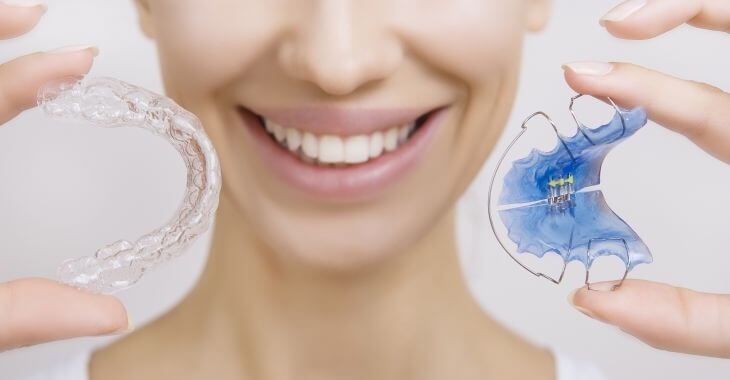
Do You Have to Wear Retainers Forever?
After completing orthodontic treatment, many people wonder: Do you have to wear retainers forever? Whether you had braces or Invisalign, retainers play a crucia...Read More
Types of Veneers
Two primary veneer types exist, each suited to different cosmetic needs. Porcelain veneers are known for their beauty and strength, while composite veneers allow affordable, same-day improvements for more minor cosmetic issues.
Porcelain Veneers
Porcelain offers exceptional translucency that matches natural enamel. It is durable, stain-resistant, and ideal for patients seeking long-term cosmetic enhancement with highly realistic results and stable color over many years.
Composite Veneers
Composite veneers are sculpted directly on the tooth. They are affordable, fast, and effective for small adjustments. While less durable than porcelain, they offer a flexible cosmetic option for patients seeking quick improvements.
Lumineers
Lumineers are an ultra-thin type of veneer designed to enhance your smile without removing natural tooth structure. Because they do not require enamel prep, they offer a reversible, low-impact option for improving tooth color, shape, and symmetry with a lighter touch.
Prep vs No Prep Choice
Some veneers require slight enamel reduction, while others, like Lumineers, need little to none. A prep veneer removes a thin layer to ensure an ideal fit and contour, while a no-prep veneer preserves enamel. The prep vs no prep choice depends on anatomy and goals.
The Veneer Procedure
Your first visit includes a dental exam and digital imaging to plan your smile. A preview model helps you visualize results. After preparation, impressions are taken, and temporary veneers are placed. Final veneers are bonded about two weeks later.
Caring for Veneers
Good care protects your veneers and helps them last. Brush gently twice daily and use non-abrasive toothpaste. Floss normally to keep gums healthy and avoid chewing ice or hard objects. A nightguard protects veneers if you grind your teeth.
Avoid chewing:
- Ice
- Hard candy
- Fingernails
Are Veneers Right for You?
Veneers work for adults with healthy gums seeking cosmetic improvement. They correct chips, stains, and minor misalignment. Severe alignment concerns may require orthodontics first, but veneers provide predictable transformations for most patients.
Risks and Limitations
Veneer treatment is not reversible because enamel reduction, when needed, is permanent. They may chip if misused, so following care instructions is essential. Regular dental visits help maintain longevity and monitor oral health.
Advances in Veneer Technology
Digital imaging improves treatment accuracy and comfort. Shade matching accuracy is better than ever, aided by color-matching software. New materials allow thinner veneers, expanding no-prep options. Bonding technology continues to advance yearly.
Cost Considerations
Cost varies by material, location, and complexity. Porcelain costs more due to durability and aesthetics. Composite is more budget-friendly but may not last as long as porcelain. Many dental offices offer flexible financing to make treatment more accessible.

A Brighter Smile Is Within Reach
Veneers deliver natural, long-lasting cosmetic change. Your dentist will review options and guide your prep vs no prep choice to ensure comfort and ideal design. With precise shade matching accuracy, your new smile will look balanced and beautiful.
The information provided on this website, including text, graphics, images, and other materials, is intended solely for informational purposes and should not be used as a substitute for professional medical advice, diagnosis, or treatment.

)