When Sleep Stops You From Resting: Understanding Sleep Apnea and Why It Matters
Sleep apnea is a sleep disorder in which breathing repeatedly stops and starts during the night. These interruptions can happen dozens or even hundreds of times, often without the sleeper realizing it. The result is poor-quality sleep and reduced oxygen delivery to vital organs.
An estimated 30 million adults in the U.S. have sleep apnea, but only about 6 million are formally diagnosed. This gap leaves millions at risk for long-term health complications without treatment.
What Happens During a Sleep Apnea Episode
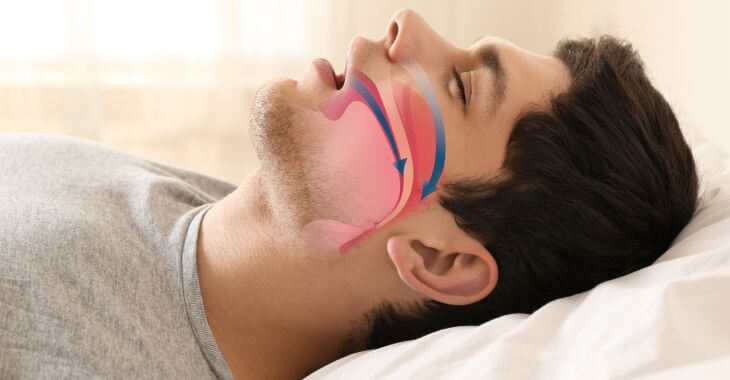
During an apnea event, the airway becomes partially or completely blocked, or the brain fails to signal the muscles to breathe. Oxygen levels drop, triggering brief awakenings that restore airflow. These arousals are usually so short they are not remembered.
Even though sleep continues, it is fragmented. This prevents the body from reaching and maintaining deep, restorative sleep stages necessary for physical and mental recovery.
The Main Types of Sleep Apnea
Sleep apnea is not a single condition. There are three primary types, each with different underlying causes. They include:
- Obstructive sleep apnea (OSA) caused by airway collapse
- Central sleep apnea caused by disrupted brain signals
- Complex sleep apnea, a combination of both
OSA is the most common form, accounting for roughly 80–90% of cases.
Common Signs and Symptoms
Many symptoms occur during sleep and are reported by bed partners. Others appear during waking hours and are often misattributed to stress or aging.
Common signs include:
- Loud, chronic snoring
- Gasping or choking during sleep
- Morning headaches
- Excessive daytime sleepiness
- Difficulty concentrating
Left untreated, these symptoms often worsen over time rather than stabilize.
Why Sleep Apnea Is a Medical Issue
Sleep apnea affects more than energy levels. Repeated oxygen deprivation and sleep disruption place significant strain on the cardiovascular and metabolic systems. Research shows untreated sleep apnea increases the risk of:
- High blood pressure
- Heart attack and stroke
- Type 2 diabetes
- Depression and anxiety
Studies also link sleep apnea to increased accident risk due to impaired alertness throughout the day.
Understanding AHI and Diagnosis
Sleep apnea is diagnosed through a sleep study, which measures breathing disruptions per hour. This number is known as the Apnea-Hypopnea Index, or AHI.
AHI severity brackets are commonly defined as:
- Mild: 5–14 events per hour
- Moderate: 15–29 events per hour
- Severe: 30 or more events per hour
Severity helps guide treatment recommendations but does not always reflect symptom burden.
Why Severity Does Not Tell the Whole Story
Two people with the same AHI may feel very different. Oxygen drops, sleep fragmentation, and individual sensitivity all influence how symptoms are experienced.
This is why treatment decisions should consider symptoms, health history, and lifestyle, not just numerical thresholds from testing.
Everything You Need to Know About Sleep Apnea Testing & Treatment
Sleep apnea affects millions of Americans but often goes undiagnosed. Left untreated, it can lead to serious health problems. Understanding sleep apnea testing ...Read More
Treatment Options Beyond CPAP
CPAP therapy is effective but not tolerated by everyone. Many patients struggle with mask discomfort, noise, or disrupted sleep due to the device.
Alternative CPAP treatments may include:
- Oral appliance therapy
- Weight management strategies
- Positional therapy
- Upper airway procedures in select cases
Matching treatment to the patient increases long-term success.
Oral Appliances and How They Work
Oral appliances are custom-fitted devices worn during sleep. They reposition the lower jaw and tongue to help keep the airway open.
These devices are small, quiet, and portable. Many patients find them easier to use consistently than CPAP, especially when traveling or sleeping on their side.
Oral Appliance Effectiveness in Practice
Clinical studies show strong oral appliance effectiveness for mild to moderate obstructive sleep apnea. Many patients experience meaningful reductions in AHI and improved daytime alertness.
Research indicates oral appliances can reduce apnea events by 50% or more in appropriate candidates. Compliance rates are often higher than with CPAP, which improves real-world outcomes.
Lifestyle Factors That Influence Sleep Apnea
Certain lifestyle changes can reduce apnea severity and improve treatment results. These changes are often recommended alongside medical therapy. Helpful strategies include:
- Maintaining a healthy weight
- Limiting alcohol before bed
- Establishing consistent sleep schedules
- Sleeping on the side rather than the back
Even modest changes can produce measurable benefits.
The Role of Long-Term Management
Sleep apnea is usually a chronic condition rather than a temporary one. Ongoing follow-up ensures treatment remains effective as weight, anatomy, and health change over time.
Regular reassessment helps detect treatment drift and prevents symptom recurrence. Successful management focuses on sustainability, not short-term fixes.
Why Early Treatment Matters
The longer sleep apnea goes untreated, the greater the cumulative strain on the body. Early intervention improves sleep quality and reduces the risk of serious complications.
Patients often report improved energy, mood, focus, and overall quality of life once breathing disruptions are controlled.
A Condition Worth Taking Seriously
Sleep apnea is common, underdiagnosed, and highly treatable. Understanding severity using tools like AHI severity brackets and selecting effective options such as oral appliances allows care to be personalized.
When sleep is restored, health follows. Addressing sleep apnea is not just about stopping snoring, but about protecting long-term well-being. To learn more about treatment, contact a sleep apnea specialist.
The information provided on this website, including text, graphics, images, and other materials, is intended solely for informational purposes and should not be used as a substitute for professional medical advice, diagnosis, or treatment.


)