When Veins Pop Up: Understanding Varicose Veins and Modern Treatment Options
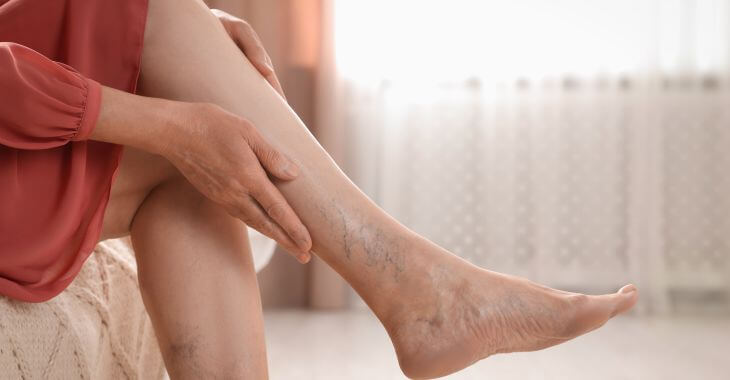
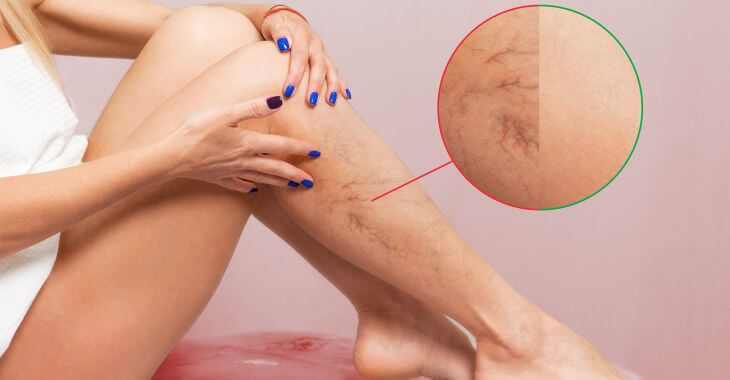
Varicose veins are enlarged, twisted veins that most often appear in the legs. They develop when vein valves weaken and allow blood to flow backward, causing pooling. Over time, this pressure stretches the vein walls, making them visible and sometimes painful.
Varicose veins are not just cosmetic. For many people, they signal underlying venous disease that can worsen if left untreated. Early understanding leads to better outcomes and fewer long-term complications.
How Common Are Varicose Veins?
Varicose veins are extremely common. Studies estimate that over 30% of adults develop them at some point in their lives. The risk increases with age, pregnancy, genetics, prolonged standing, and obesity.
Women are affected more often than men, but men frequently delay evaluation. Unfortunately, untreated vein disease can progress silently before symptoms become severe.
Why Varicose Veins Form in the Legs
Leg veins work against gravity to return blood to the heart. They rely on muscle contractions and one-way valves to function properly. When valves fail, blood falls backward and builds pressure in the vein.
This pressure leads to vein enlargement and valve damage in nearby branches. Over time, a network of varicose veins may form rather than a single isolated vein.
Common Symptoms Beyond Appearance
While visible bulging veins are the most recognized sign, symptoms often go beyond looks. Many people experience discomfort long before veins become obvious.
Common symptoms include:
- Leg heaviness or aching
- Swelling in the ankles or calves
- Burning or throbbing sensations
- Nighttime leg cramps
- Itching or skin discoloration
These symptoms often worsen after long periods of standing or sitting.
When Varicose Veins Become a Medical Issue
Varicose veins can progress into chronic venous insufficiency if untreated. This condition reduces circulation efficiency and increases pressure in the lower legs.
Advanced vein disease may lead to skin changes, inflammation, or venous ulcers. According to vascular studies, up to 20% of adults show signs of chronic venous disease, many without realizing it.
The Importance of Proper Diagnosis
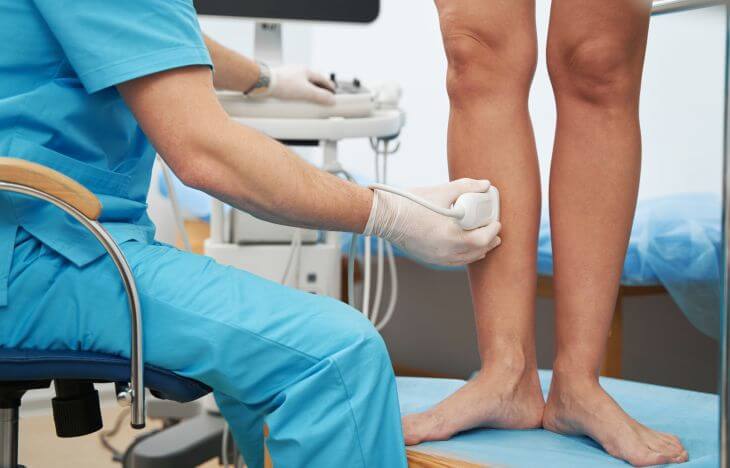
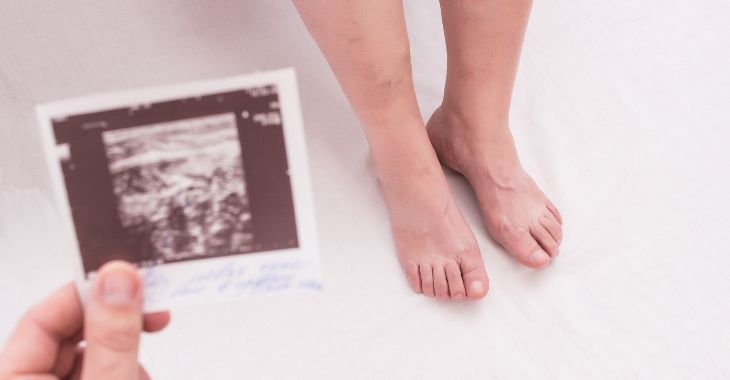
Effective treatment begins with an accurate diagnosis. A physical exam alone is not enough. Duplex ultrasound is used to evaluate blood flow, valve function, and vascular structure.
This imaging identifies which veins are faulty and how blood is moving. Treatment plans based on imaging data are more precise and have higher long-term success rates.
Modern Minimally Invasive Treatments
Today’s varicose vein treatments are far different from older surgical stripping. Most procedures are minimally invasive, performed in-office, and require little downtime.
Modern options focus on closing faulty veins so blood reroutes to healthier ones. Once circulation improves, symptoms decrease, and visible veins often fade.

What Does It Mean If You Have Veiny Feet?
Noticing bulging or dark-colored veins on your feet can be alarming. Many people wonder about the veiny feet meaning and whether it points to a health concern. ...Read More
RF Ablation vs. Laser: What’s the Difference?
Patients often compare RF ablation vs. laser when exploring treatment. Both methods close diseased veins using heat delivered through a catheter. The difference lies in how that heat is generated and controlled.
RF ablation uses radiofrequency energy to heat the vein wall evenly. Laser ablation uses light energy, which can create higher peak temperatures. Both are effective, but RF ablation is often associated with less post-procedure discomfort.
How These Procedures Work
During treatment, a small catheter is inserted into the affected vein under ultrasound guidance. Local anesthesia is used to numb the area and protect the surrounding tissue.
Heat energy causes the vein to collapse and seal shut. Blood naturally reroutes to healthier veins, improving circulation without removing the vein from the body.
Recovery and Results
Most patients walk immediately after treatment and return to normal activities within a day. Compression stockings are typically worn for a short period to support healing.
Symptom relief often begins within days, though visible vein improvement may continue over several weeks. Long-term success rates for ablation procedures exceed 90% in properly selected patients.
Understanding Recanalization Indicators
While modern treatments are highly effective, veins can occasionally reopen. This process is called recanalization. Identifying recanalization indicators early helps prevent symptom recurrence.
Indicators may include:
- Return of leg heaviness or swelling
- New visible veins near treated areas
- Ultrasound evidence of restored blood flow
Regular follow-up imaging ensures treated veins remain closed and functioning properly.
Risk Factors That Increase Recurrence
Some factors increase the likelihood of new varicose veins forming. These include genetics, hormonal changes, prolonged standing, and untreated deep vein issues.
Lifestyle management plays an important role after treatment. Maintaining a healthy weight, staying active, and wearing compression when needed all support long-term vein health.
Varicose Veins and Quality of Life
Studies consistently show that treating varicose veins improves quality of life. Patients report reduced pain, better mobility, and improved confidence.
The condition may seem minor at first, but its impact accumulates over time. Addressing vein disease early prevents progression and improves daily comfort.
When to Seek Professional Evaluation
If leg symptoms persist, worsen, or interfere with daily activities, evaluation is important. Visible veins combined with discomfort often indicate underlying venous reflux.
Early consultation allows access to less invasive treatments and better outcomes. Waiting until complications arise limits options and prolongs recovery.
A Modern, Manageable Condition
Varicose veins are common, progressive, and highly treatable. Advances in imaging and minimally invasive care have transformed outcomes for patients.
Understanding treatment differences like RF ablation vs laser and monitoring recanalization indicators empowers patients to make informed decisions and protect long-term leg health.
The information provided on this website, including text, graphics, images, and other materials, is intended solely for informational purposes and should not be used as a substitute for professional medical advice, diagnosis, or treatment.

)