Understanding Hair Transplant Surgery: What You Need to Know Before Choosing the Right Procedure

Hair loss affects millions of men and women worldwide. Whether caused by genetics, stress, or hormonal changes, thinning hair can impact confidence and self-image. Fortunately, modern hair transplant techniques offer safe, natural-looking solutions with long-lasting results.
The Basics of a Hair Transplant
A hair transplant is a surgical procedure that relocates healthy hair follicles from one part of the scalp (the donor area) to areas affected by thinning or baldness. These transplanted hairs continue to grow naturally, creating permanent coverage and restoring fullness.
Hair restoration has advanced significantly. According to the International Society of Hair Restoration Surgery (ISHRS), over 700,000 hair transplant procedures are performed each year globally, with success rates and patient satisfaction higher than ever.
Two Main Hair Transplant Techniques
Modern procedures primarily use two methods: FUT (Follicular Unit Transplantation) and FUE (Follicular Unit Extraction). Both have the same goal — redistributing healthy follicles — but they differ in technique, recovery, and scarring.
FUT (Strip Method):
- Involves removing a thin strip of scalp from the donor area
- Hair follicles are separated under a microscope and transplanted
- Leaves a linear scar hidden by surrounding hair
- Often ideal for large transplants and thick graft density
FUE (Follicular Unit Extraction):
- Harvests individual follicular units directly from the scalp
- No linear scar and quicker healing time
- Ideal for patients who prefer short hairstyles or limited downtime
- Requires precise extraction to minimize donor area overharvesting risk
Both methods can deliver exceptional results when performed by a skilled surgeon, but FUE has become increasingly popular due to its minimally invasive nature and natural-looking outcomes.
The FUE Graft Survival Rate
The success of a hair transplant largely depends on how well the transplanted follicles survive and grow. Studies show the FUE graft survival rate averages between 90% and 95% when performed correctly using advanced technology and proper handling techniques.
Several factors influence graft survival, including:
- Surgeon experience: Proper extraction and placement reduce trauma to follicles.
- Graft handling: Minimizing time outside the body preserves follicle health.
- Postoperative care: Following recovery instructions ensures maximum growth.
- Patient health: Good circulation, nutrition, and scalp condition aid healing.
A higher FUE graft survival rate translates to fuller, denser hair regrowth and long-term satisfaction.
Donor Area Overharvesting Risk
While FUE offers many benefits, improper technique can lead to a serious concern known as donor area overharvesting risk. This occurs when too many grafts are extracted from the donor region, thinning the hair excessively and leaving visible patches or scarring.
To prevent this, experienced surgeons plan extraction patterns strategically to preserve the donor zone’s density. The ideal donor site density is typically 70–100 follicular units per square centimeter, and only about 20–30% should be harvested in one session.
Choosing an experienced specialist is critical for maintaining natural-looking results both in the transplanted and donor areas.

How Long Does It Take for Hair to Grow?
If you are trying to grow out your hair, it can be a frustratingly slow process. It may not seem like your hair is growing at all, but it is assuredly getting l...Read More
What to Expect During the Procedure
A hair transplant typically takes 4–8 hours, depending on the number of grafts. The process involves several key steps:
- Consultation and Design: The surgeon maps the hairline and target zones.
- Donor Area Preparation: Hair is trimmed and sterilized.
- Extraction: Follicles are carefully removed using FUE or FUT techniques.
- Graft Placement: Each graft is implanted at a natural angle for realistic growth.
Most patients report minimal discomfort, as the scalp is numbed with local anesthesia. Recovery time varies, but many return to normal activities within a few days.
Recovery and Hair Growth Timeline
After surgery, mild swelling and redness are normal. Tiny scabs form where grafts were placed and fall off within 7–10 days. New hair begins to shed around 2–3 weeks post-surgery, which is part of the natural growth cycle.
Noticeable new growth starts around 3–4 months, with full results visible at 9–12 months. To support healing and optimize graft survival, patients are advised to avoid strenuous activity, sun exposure, and smoking during recovery.
Benefits of Modern Hair Transplant Surgery
Modern techniques, especially FUE, deliver transformative results that are nearly undetectable. The benefits include:
- Permanent, natural growth using your own hair follicles
- Minimally invasive recovery with little to no visible scarring
- Boosted confidence from a fuller, youthful appearance
- Customizable design to suit your facial structure and goals
According to recent ISHRS statistics, 94% of patients reported improved self-esteem after their hair transplant procedure.
Choosing the Right Surgeon
The key to successful hair restoration lies in experience and artistry. A qualified surgeon ensures high FUE graft survival rates, reduces donor area overharvesting risk, and designs a hairline that looks completely natural.
When researching a provider, consider:
- Board certification in hair restoration or plastic surgery
- Before-and-after galleries of actual patients
- Transparent discussion of risks, recovery, and results
- Personalized treatment plans tailored to your hair type and goals
Avoid clinics that promise unlimited grafts or same-day results — quality and precision always matter more than quantity.
Cost Considerations
Hair transplant pricing depends on the number of grafts, the technique used, and the surgeon’s expertise. On average, FUE procedures cost $4,000–$15,000 in the U.S., while FUT may be slightly less expensive. Investing in a skilled specialist ensures lasting, natural results with minimal risks.
Remember, the procedure is permanent — selecting the right surgeon and method is worth the investment.
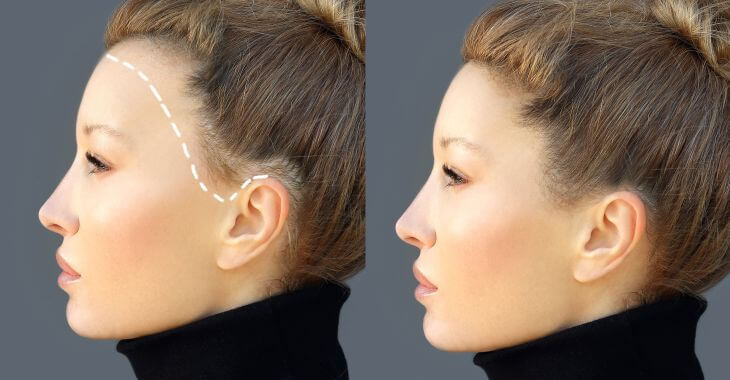
The Hair Transplant Journey
A hair transplant can be life-changing for anyone struggling with hair loss. With modern methods, patients enjoy fast healing, high FUE graft survival rates, and natural results that last a lifetime.
If you’re considering hair restoration, consult with a qualified specialist to explore your options and design a personalized plan that fits your goals.
The information provided on this website, including text, graphics, images, and other materials, is intended solely for informational purposes and should not be used as a substitute for professional medical advice, diagnosis, or treatment.



)